
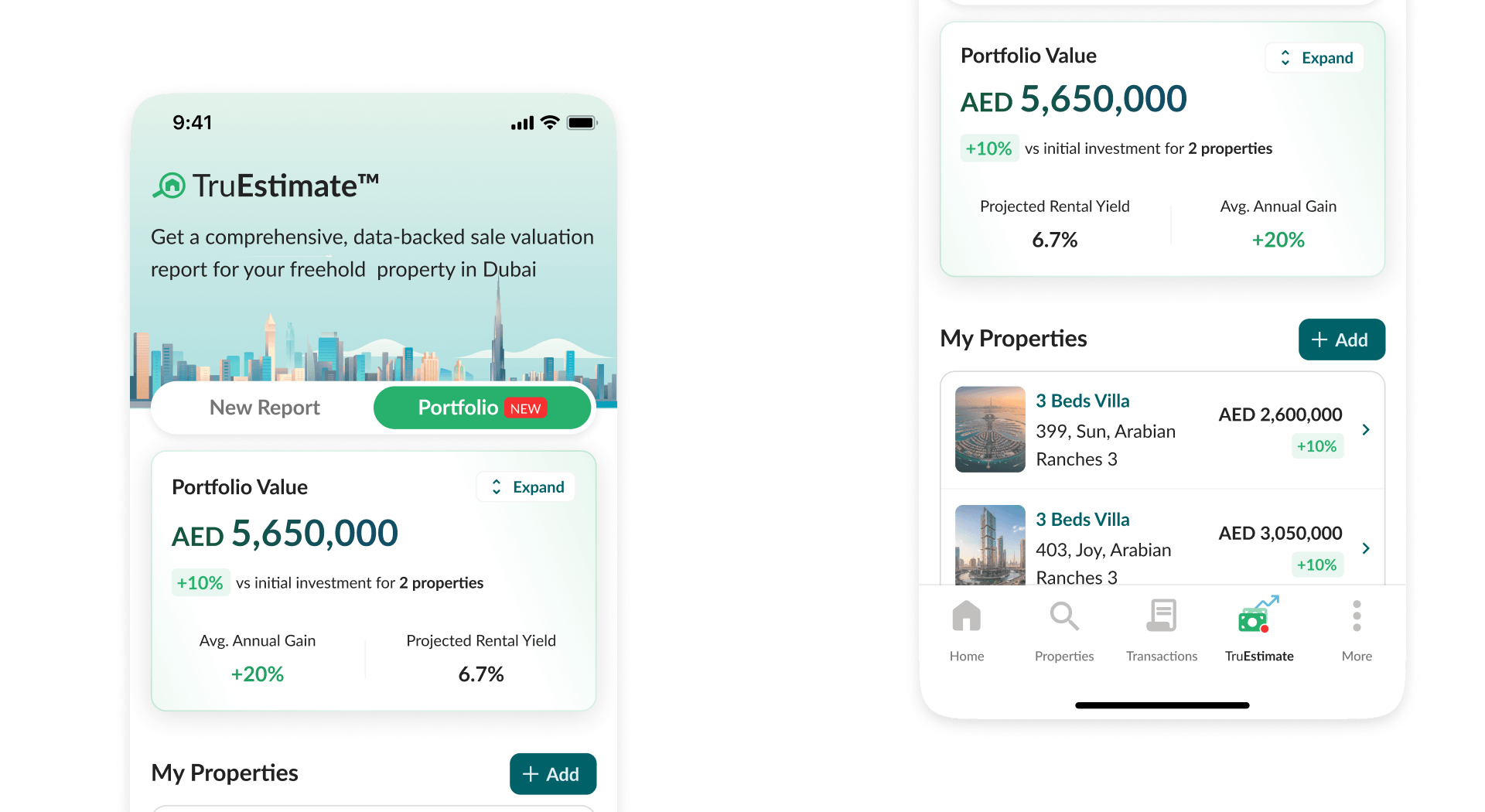
Property Portfolio
Designed and led the Portfolio that transformed TruEstimate™ from a single use valuation tool into a recurring property tracking product.
What I didLead the Product Design
Team6 Mobile App Engineers, 3 Lead Data Engineers and 2 from Product & Design.
Timeline1 month (The business and management wanted this out quick)
Overview
TruEstimate™ is the UAE's first AI-powered property valuation tool, built on real-time Dubai Land Department data. Used for one-off property valuations and limited retention we want something to give long value for our investors.
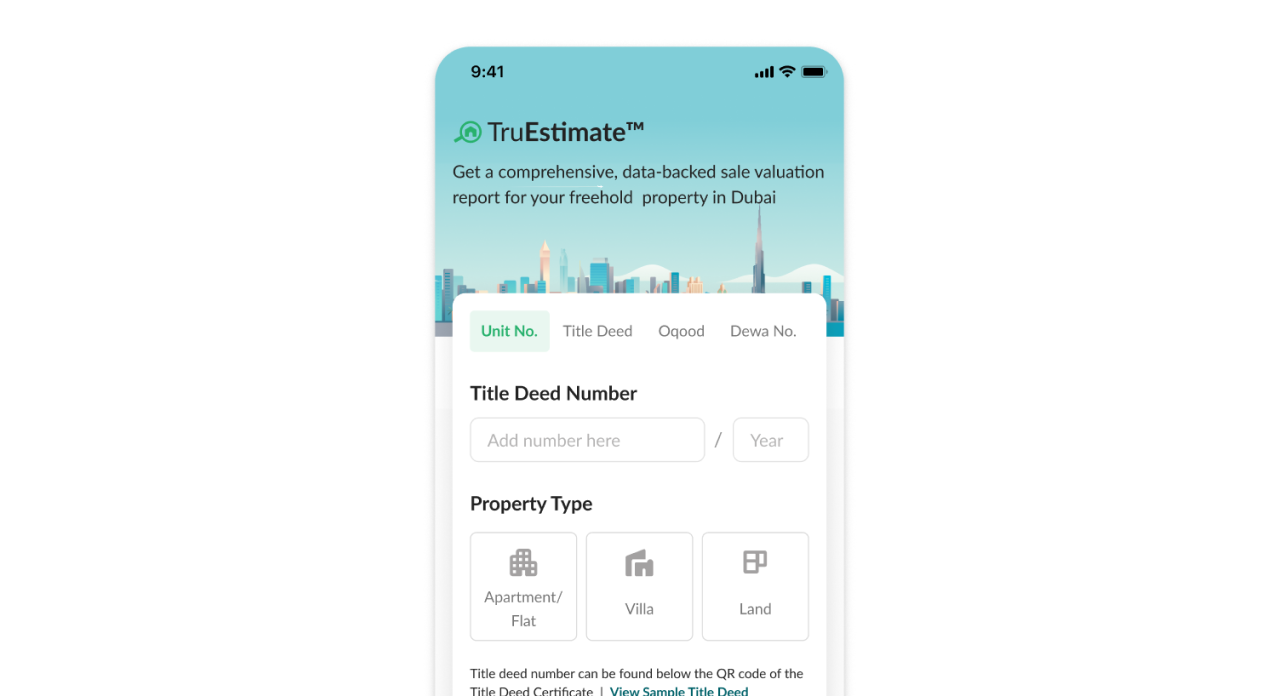
Existing TruEstimate™ section
Why was this required ?
We needed a solution that helps users understand property value trends over time
Sellers and investors can view cumulative valuation data through TruEstimate™ reports, enabling better timing and pricing decisions.
Anyone can track how multiple properties value evolves over time, similar to monitoring stock performance before investing. This data is freely accessible, improving transparency across the market.
Solution
We introduced a Portfolio experience that allows users to:
- Save multiple properties
- Track valuation changes over time
- View aggregated portfolio insights
The experience surfaces TruEstimate™ data in a timeline-based format, helping users understand trends before making financial decisions.
The challenges was, we were introducing a new product layer on top of an existing valuation system without increasing engineering complexity or fragmenting the TruEstimate flow.
Optimizing and exploring the existing TruEstimate™
I contributed to defining the Add Property flow, enabling users to add TruEstimate™ reports directly to their portfolio.
The Add Property flow had to extend the TruEstimate report journey without creating engineering overhead.
0:00 / 0:00
Adding properties to your portfolio and viewing portfolio
Trade-offs & Key Decisions
Took on product-management responsibilities by leading grooming sessions with engineering, advocating to reduce complexity and de-risk engineering investment alongside the engineering team.
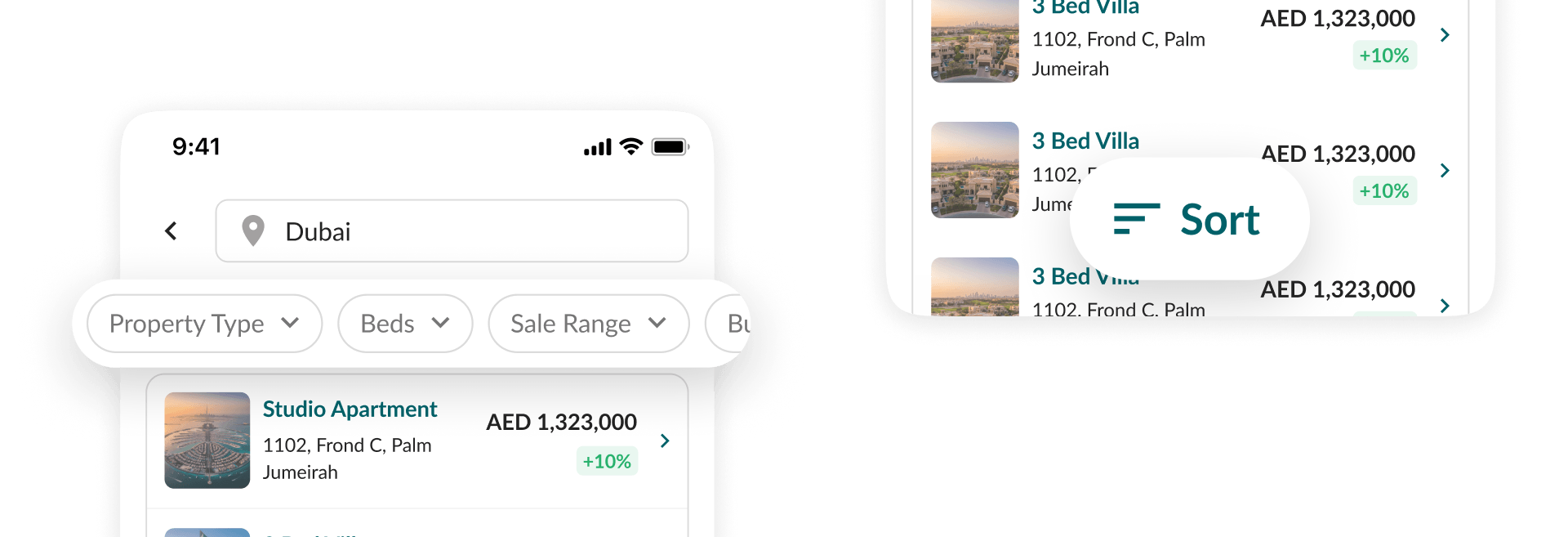
Engineering constraint on adding filters and sort for the MVP
Lack of advanced analytics
We explored ideas such as forecasting, property comparisons, and visualising individual property performance over time. These were intentionally deprioritised to avoid increasing complexity before validating core user demand.
Filters and sorting
While filtering and sorting would be valuable for users managing larger portfolios, this was deferred due to engineering overhead and the need to first validate basic portfolio adoption.
Process & Iteration
To avoid unnecessary engineering overhead, we prioritized incremental visual improvements over major structural changes like reworking the top section, ensuring the experience remained scalable and aligned with existing systems.
To support the portfolio experience, I designed lightweight illustrations for key states.
New user
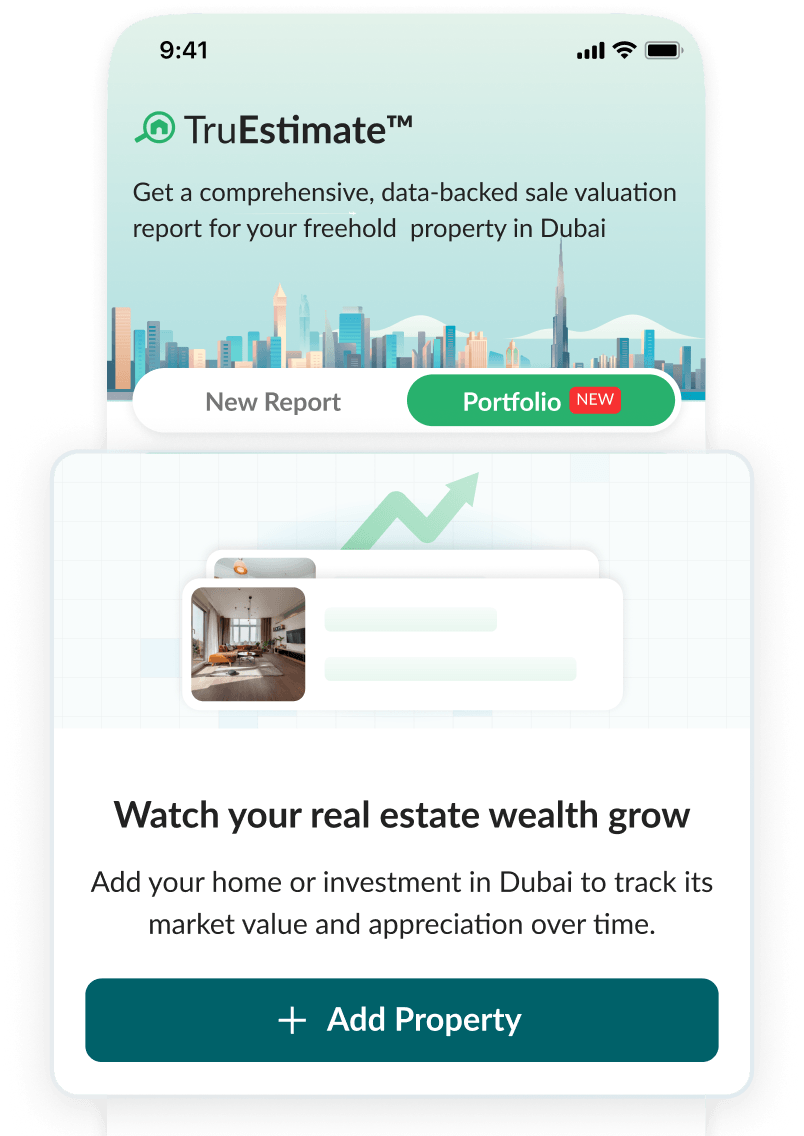
Pending confirmation
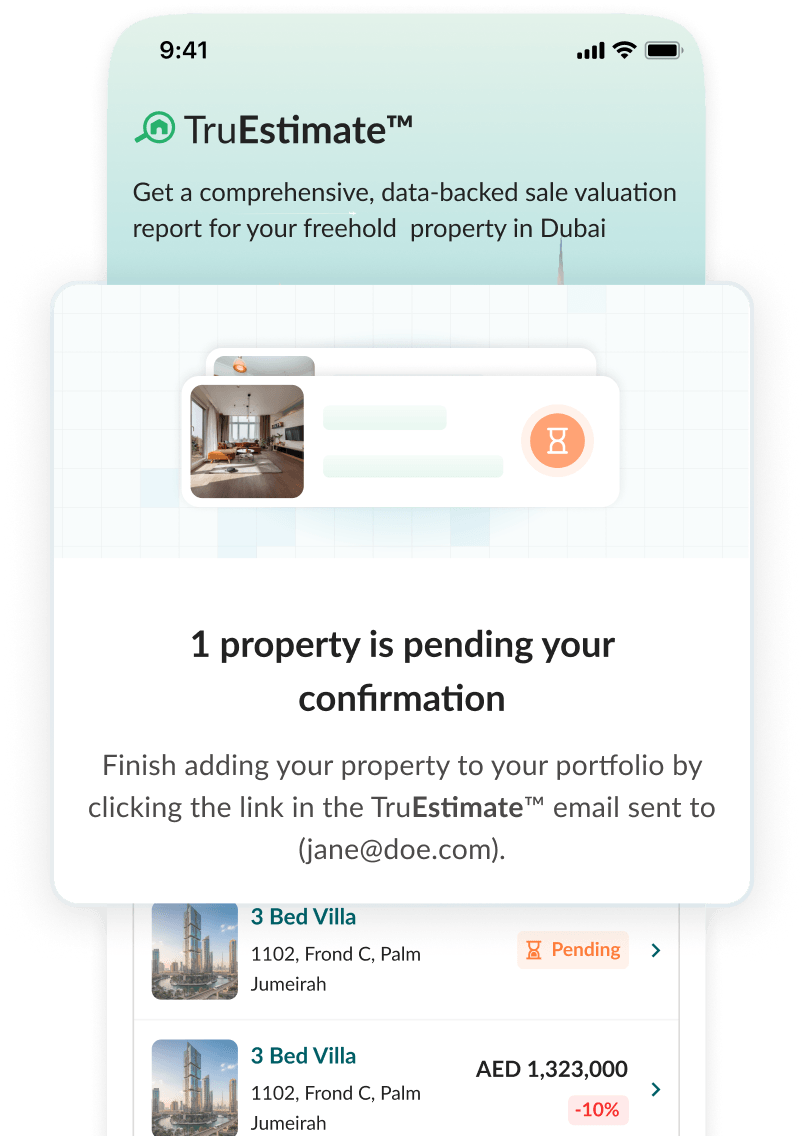
New user flow and Pending confirmation
Explored custom easing curves for motion behaviour to make interactions feel responsive and aligned with the product.
Custom Bezier – Interaction exploration
For interaction feedback, I updated our Lottie animations within the bottom navigation to subtly show state change and highlight a new feature added, ensuring localization for Russian, Chinese and Arabic.
English Lottie Animation
I partnered with the BI team to align portfolio metrics with the underlying data infrastructure powering TruEstimate™, ensuring that financial indicators surfaced in the product reflected matched.
Through this process, I validated the data fields powering portfolio views and adjusted the design to reflect real data availability.

Retool used to validate key data for this feature
Data availability
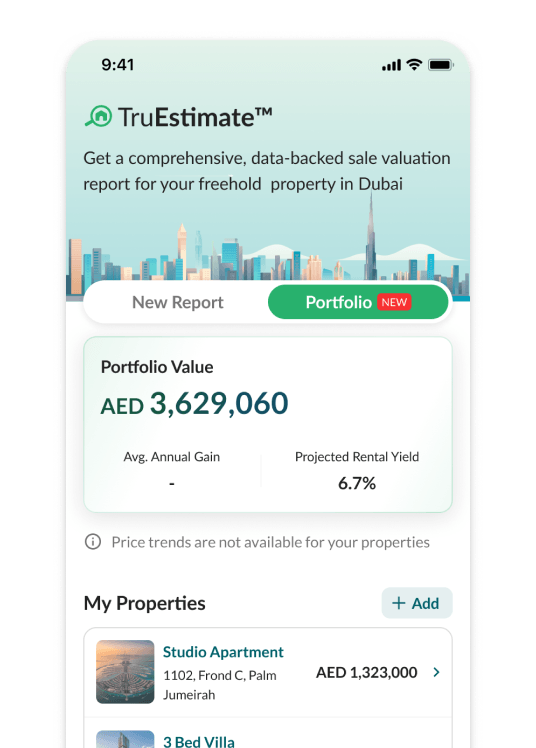
Low confidence for individual properties
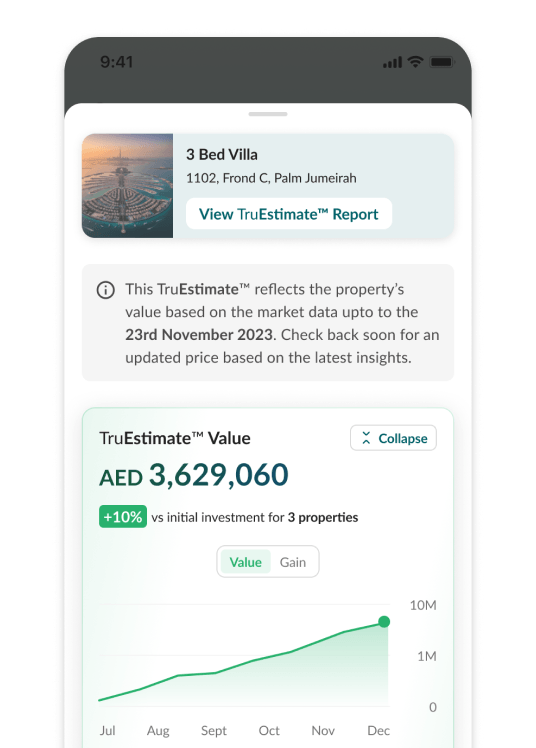
Before & After
Once the first build was available on staging, internal QA and stakeholder reviews produced few key usability issue, serving as early user testing. While the Director of BI was looking at it, we released there were some UX/Design flaws.
Feedback highlighted discoverability issues with the Add Property action button, unnecessary interaction states in portfolio cards, and typography/Hierarchy optimisations. These insights guided a targeted iteration pass to improve clarity and reduce friction.
Variation 1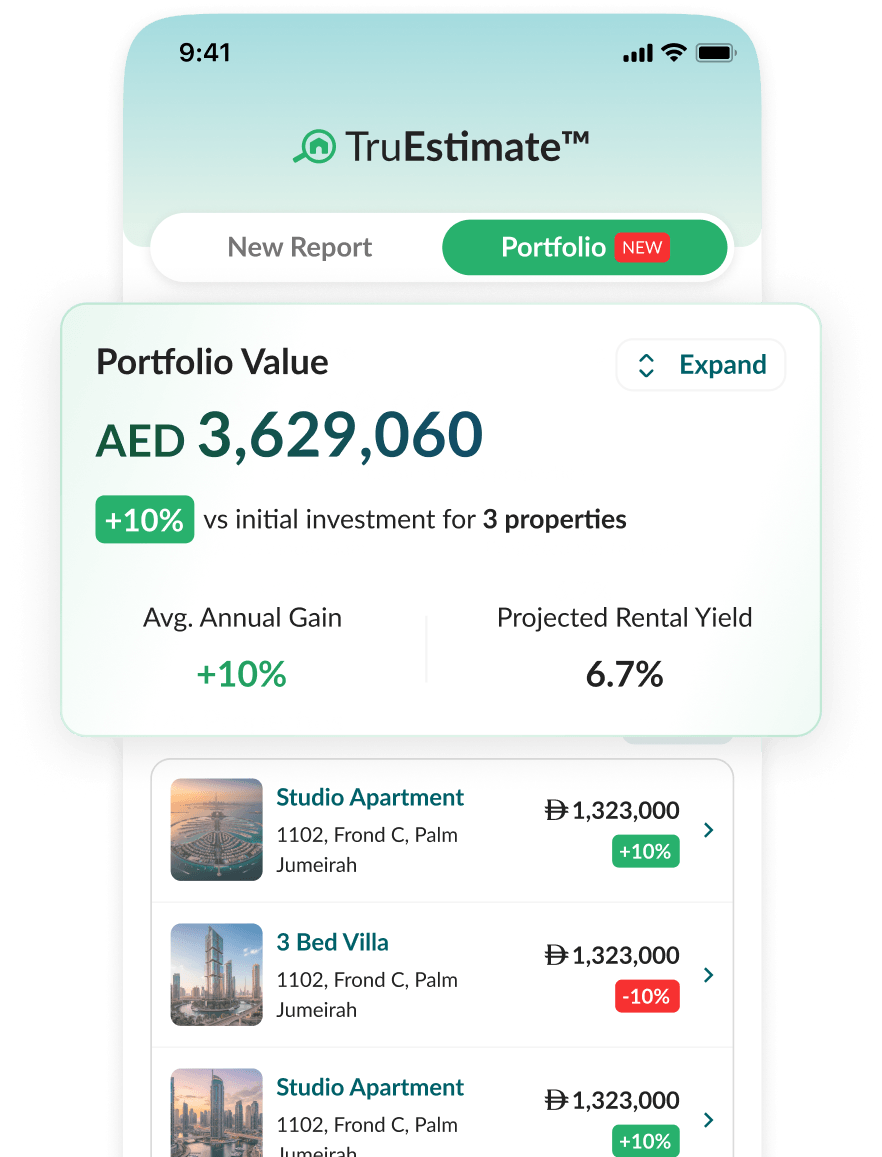
Top section card iteration
Variation 2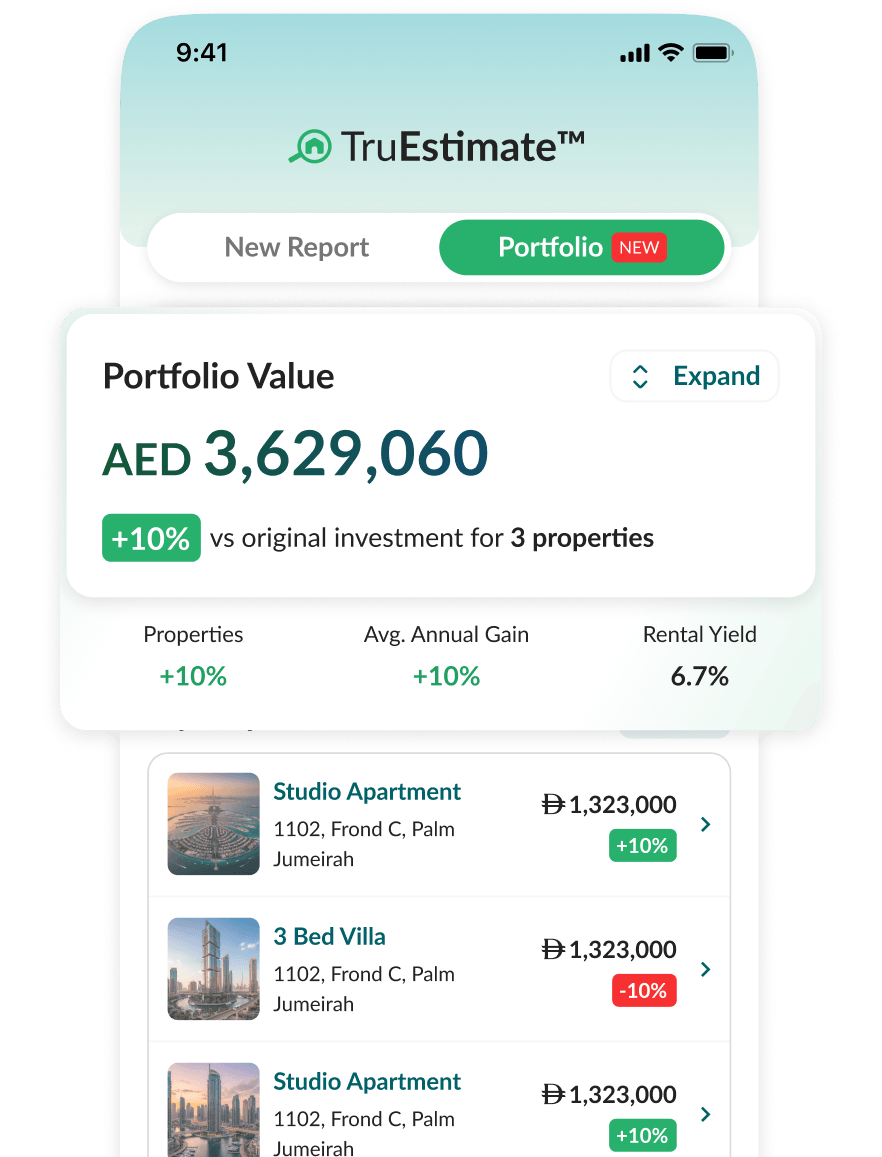
Before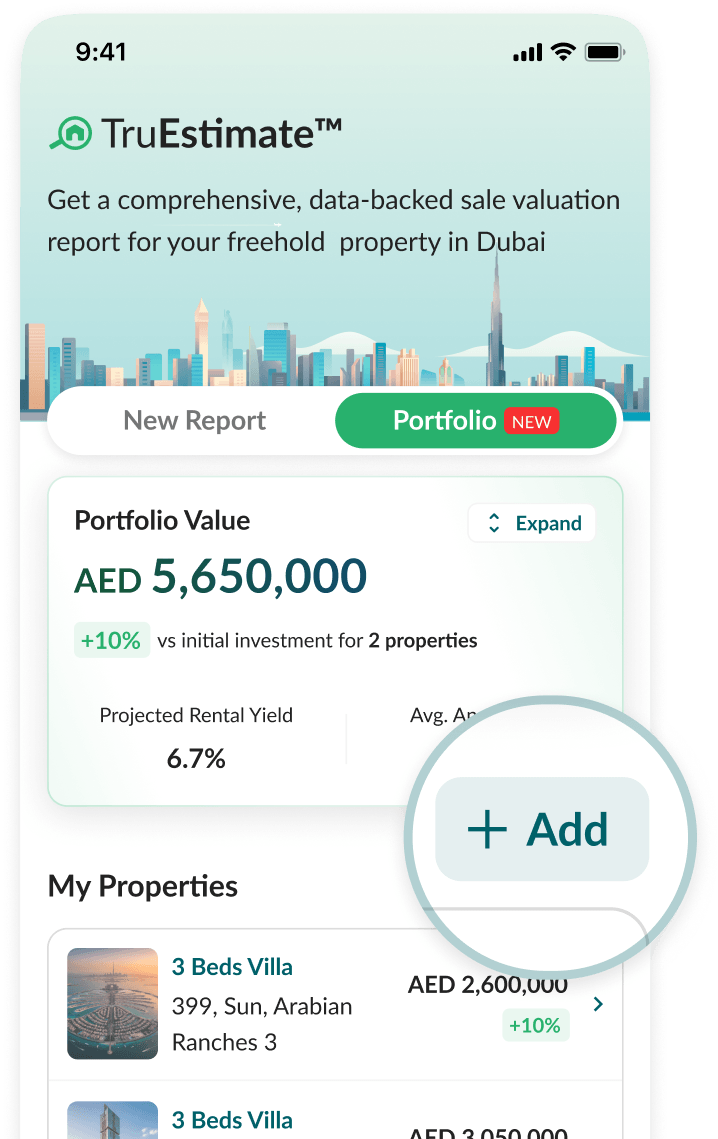
Top section optimization iteration
After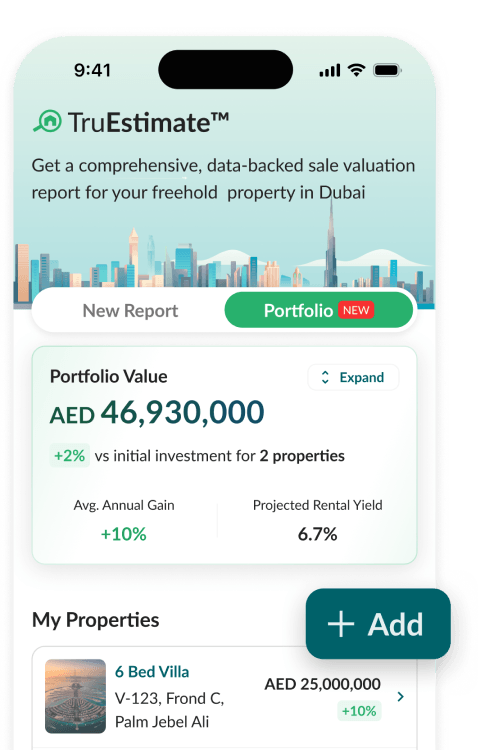
Changed button to a darker primary color
How would we know this was useful?
If users generated more reports that would be a repeat engagement and also shows how these reports help overall with the New Portfolio product.
Early adoption of people using Portfolio as a one of property valuation feature and strong engagement with TruEstimate™ reports would signal that the feature was meeting user needs. However more repeats in report generation won't quantify success for this feature and we sat down with the analyst and PM and understood we need more property addition and maybe more portfolios.
Impact
800+
Active Portfolio users within first 2 weeks of launch validating demand for ongoing property tracking
34K+
Increase in TruEstimate™ Generation indicating that Portfolio drove repeat valuation behavior
Designed the App Store Events launched to promote the feature
Next Steps (What I learned we could do)
After launch and working with the analyst and PM, I learned the next opportunities that would strengthen Portfolio were:
A stronger opportunity is agents. An agent could pool multiple properties by location into a shared Portfolio view, using valuation trends to show prospects a property's value trajectory over time, not just a single point-in-time estimate. This would turn Portfolio from a personal tracking tool into a sales enablement asset for agents. It wasn't part of the original MVP scope, but it's a clear direction to explore next.
Validating this with real agents
Before building toward this, the right next step is structured research with a small group of active agents to test the hypothesis directly:
- Recruit 8–10 agents across different portfolio sizes, from high-volume agents managing many listings to agents with a smaller, focused book, to see if the value holds across usage patterns
- Run contextual interviews on how agents currently present valuation trends to prospects today (spreadsheets, PDFs, verbal pitches) to understand what Portfolio would replace
- Prototype the pooled, shared view at low fidelity and test whether agents would trust and use it in a real prospect conversation, not just in isolation
Key Learnings
Cross Collaboration
Learned to align BI, mobile, and data teams to ship a cross-layer feature without formal PM structure.
Rapid Testing & Iteration
Validated early design assumptions through internal testing to de-risk MVP scope.
Decision Making
Balanced long-term product vision with MVP constraints, prioritizing foundational tracking before advanced analytics.